
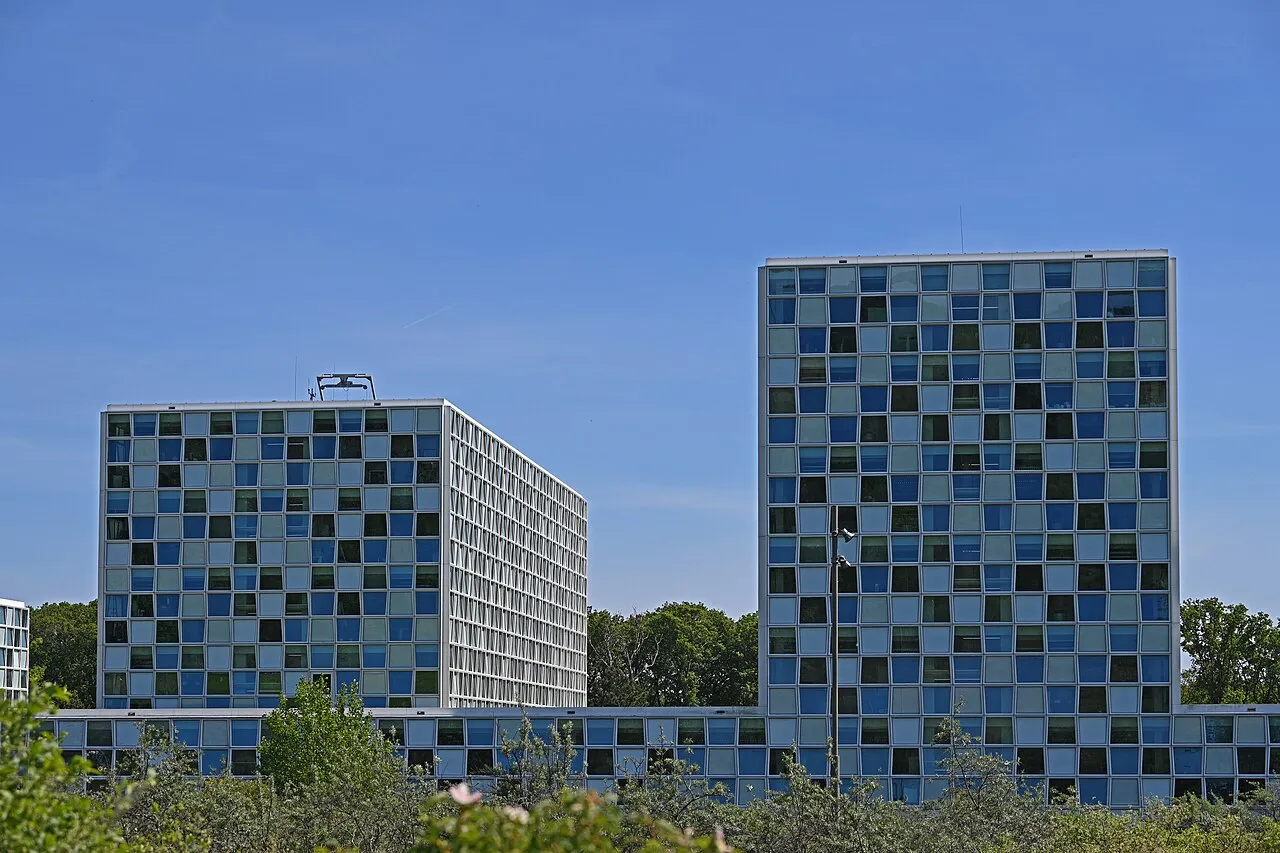
Pre-Trial Chamber II of the International Criminal Court (ICC) has ordered the closure of the original Afghanistan investigation, formally authorised in March 2020 and covering alleged crimes committed in the country from 1 May 2003 onward. The decision was taken on Thursday, 12 November, in The Hague, and the court documents were made public on Friday.
Two lines of inquiry fall with it. One is the strand that could have reached United States service members and intelligence operatives — in practice dormant since 2021. The other concerned the Afghan branch of the Islamic State, Islamic State–Khorasan Province (ISKP), and covered alleged offences since 2016. In that second case, the prosecution may ask for the investigation to resume if it can show it is able to pursue it effectively.
The judges' reasoning
In the Chamber's words, the prosecution "failed to demonstrate that it could effectively pursue further investigative or prosecutorial activities". The judges pointed to serious limits on access to evidence and on carrying out investigative steps at all — limits that, according to the decision, had grown worse over time.
The inquiry had covered suspicions attributed to four distinct groups: the former Afghan government's forces, the Taliban, US troops and US intelligence operatives.
What continues
A separate proceeding, "Situation in Afghanistan II", remains under way. It targets alleged Taliban crimes since August 2021 — in particular the crime against humanity of persecution against women and girls, as well as persecution on political, ethnic or religious grounds.
Four arrest warrants remain in force in that strand: against Hibatullah Akhundzada and Abdul Hakim Haqqani, issued on 8 July 2025, and against Habibullah Agha and Neda Mohammad Nadim, issued on 9 September 2025. All four were unsealed on 5 October 2026.
Appeal and reaction
The Office of the Prosecutor told Reuters and the Associated Press that it has already appealed the decision, without setting out its grounds.
The United States is not a party to the Rome Statute and does not recognise the court's jurisdiction. US Secretary of State Marco Rubio said President Donald Trump "will never allow the International Criminal Court to prosecute Americans". Washington has already sanctioned 13 current and former ICC staff over the investigation into its troops and over the warrants against Israeli officials.
The strand on American forces had been stalled since 2021, when then-prosecutor Karim Khan announced he would "deprioritise" it, citing the difficulty of obtaining evidence. Khan was removed from the post in early 2026 amid sexual misconduct allegations.
The preliminary examination into Afghanistan became public in 2007, and the investigation was authorised in March 2020. The country acceded to the Rome Statute in 2003, with jurisdiction from 1 May of that year.
With information from Al Jazeera and KabulNow, which cite Reuters and the Associated Press.