
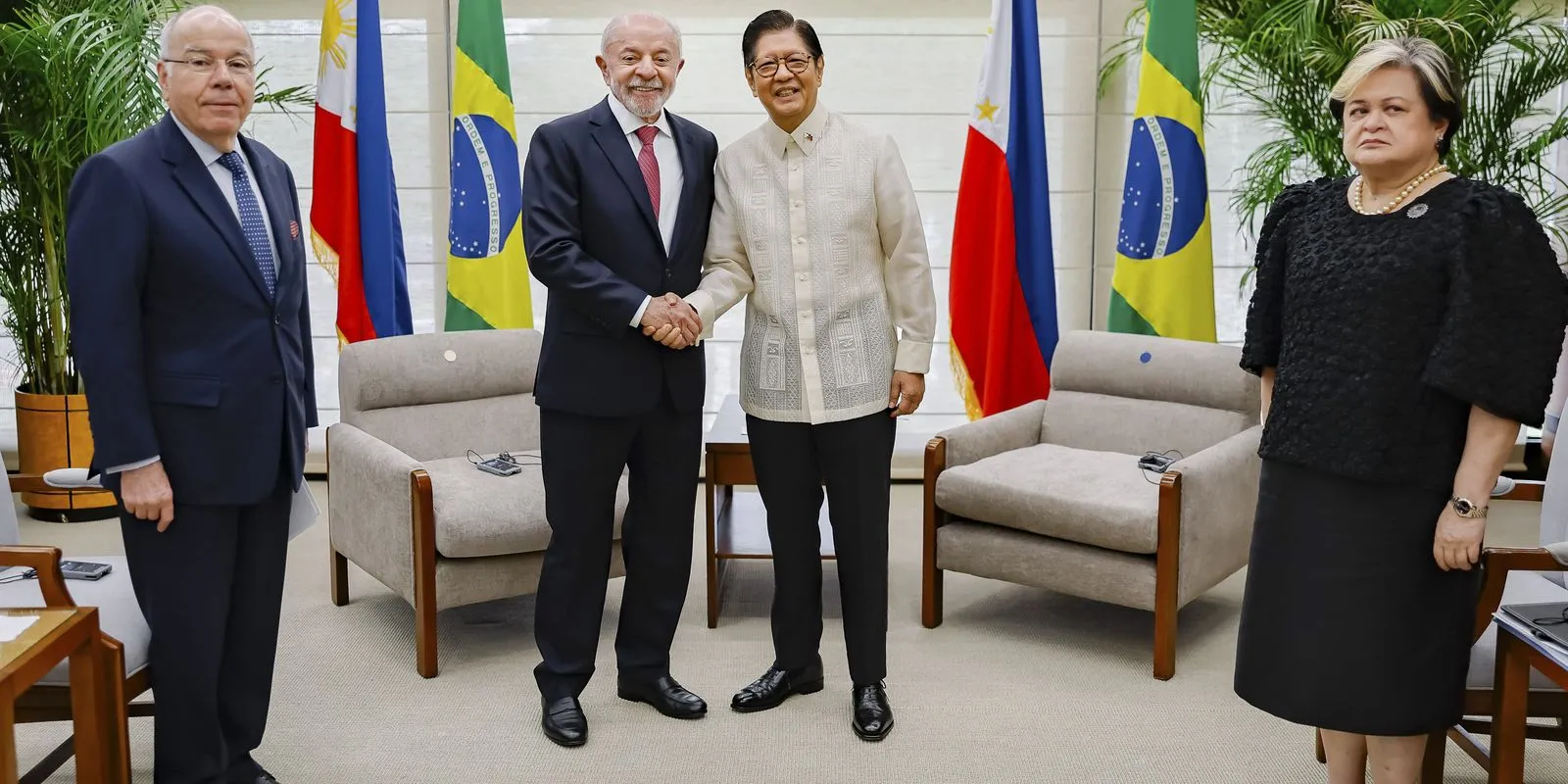
Presidents Luiz Inácio Lula da Silva and Ferdinand Marcos Jr. signed two memoranda of understanding between Brazil and the Philippines in Manila on Saturday: one to ease trade in agricultural goods, the other to deepen cooperation against anticompetitive practices. The signing followed a closed meeting between the two heads of state, according to Agência Brasil.
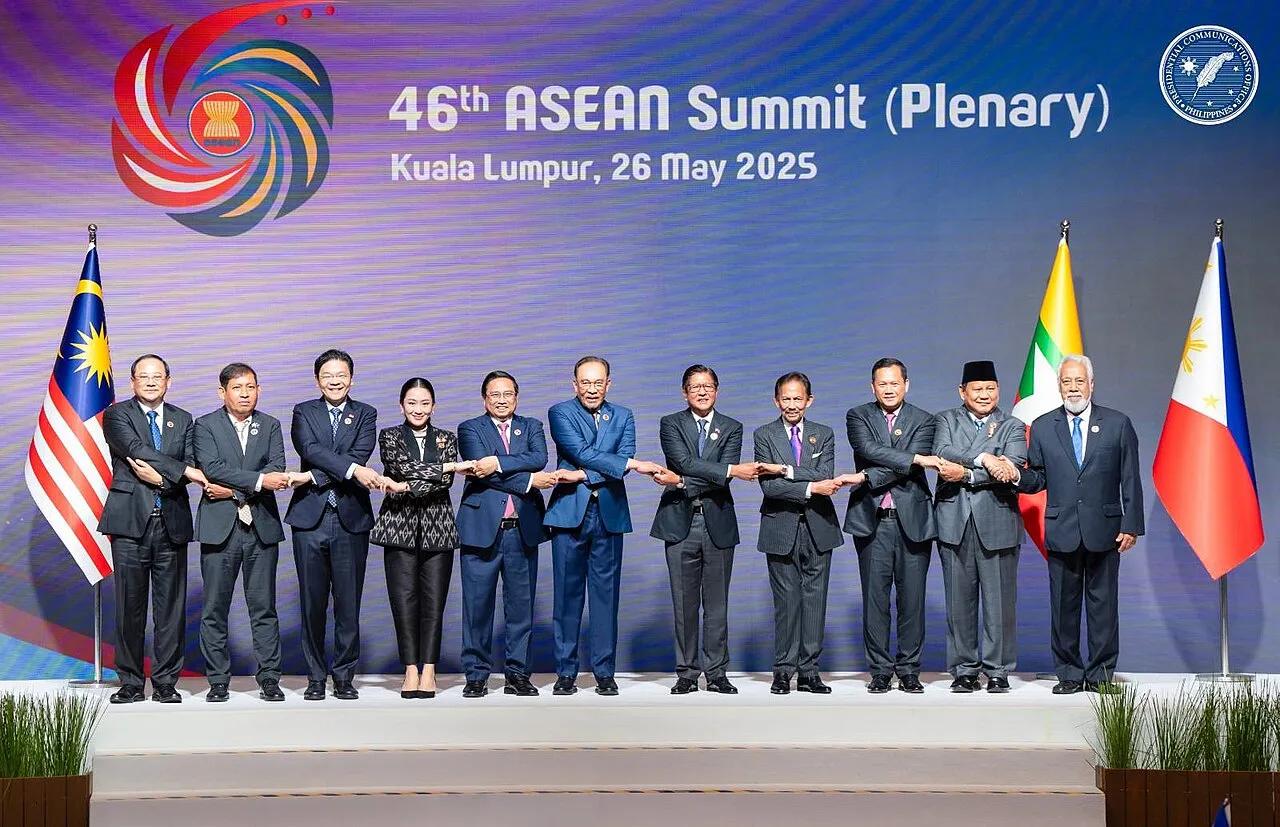
It is the first state visit to the Philippines by a sitting Brazilian president. The two-day trip marks 80 years since the countries established diplomatic relations, in 1946, and comes just before the 49th summit of the Association of Southeast Asian Nations (ASEAN), which the Philippine government hosts this week — the formal reason for the invitation extended to Lula.
What a memorandum is, and what it is not
Neither document is a contract. Brazil's Gabinete de Segurança Institucional (Institutional Security Cabinet) defines a memorandum of understanding as a preliminary legal instrument, political in nature, that records shared objectives and sets the opening terms of a negotiation still to come. In practice, the texts signed in Manila say what the two governments intend to negotiate, not what is already in force.
Trade between Brazil and the Philippines runs at around US$3 billion a year. Beyond the memoranda, the two sides said they want to widen partnerships in agricultural research, and Brazil announced technical assistance earlier this year for the development of the Philippine sugarcane industry.
Animal health, the sensitive point
Malacañang Palace described the farm agreement in more specific terms than Brasília did. According to the Philippine Presidential Communications Office, cited by GMA News, the cooperation covers technical knowledge-sharing and capacity-building for agricultural personnel, veterinarians and others involved in disease monitoring and farm and herd management. The presidents' talks ran through livestock production, animal health and agribusiness.
The context explains the emphasis. The Philippines is the largest buyer of Brazilian pork and, days before the trip, suspended imports of the product for 60 days — an embargo that was still in force at the time of the signing and that neither government announced as resolved at Saturday's meeting. Neither the Philippine nor the Brazilian statement addresses the case directly.
Biofuels, defense and an invitation
By the Philippine government's account, the conversation went beyond farming. The two sides discussed partnership in renewable energy and biofuels — Manila wants to diversify its energy mix and sees usable experience in Brazil — along with cooperation in education, science and technology, law enforcement and the defense industry, including research, development and co-production.
"We intend to turn these trade relations into an opportunity for closer agricultural cooperation," Marcos Jr. said, according to the Presidential Communications Office. The office also said the Philippines is seeking Brazilian agricultural technology to deal with climate change and food security, "particularly in preparation for the impacts of a super El Niño."
Lula invited Marcos Jr. to visit Brazil with a business delegation. The Brazilian president's agenda in Manila also includes the Brazil-Philippines Business Forum.
With information from Agência Brasil, GMA News Online and The Philippine Star.